

Mois mars 2010
-

L’abandon de la taxe carbone, une triple erreur
L’annonce de la taxe carbone au lendemain des régionales ne laisse pas de doute à l’interprétation : il s ‘agit bien d’une décision politique1 qui vise à tenter de rassembler la majorité en supprimant un foyer de discorde. Une erreur politique Pour autant, c’est une erreur au plan politique: notre pays n’a jamais…
-
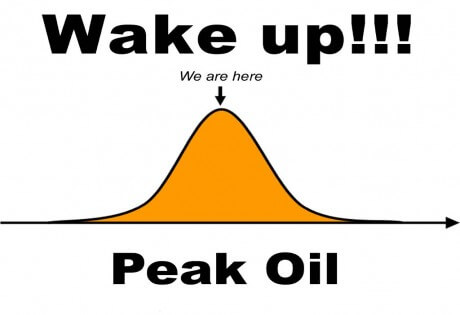
Vous n’avez pas voulu de la taxe carbone, vous avez la hausse du prix du gaz et vous aurez celle du prix du pétrole.
L’ annonce de la hausse de près de 10 % du prix du gaz le…
-
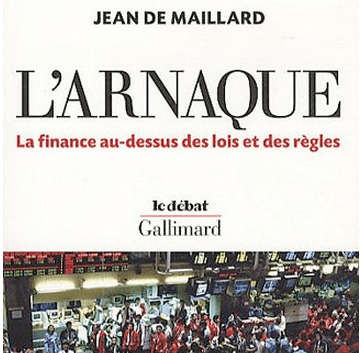
L’arnaque : La finance au-dessus des lois et des règles
J’ai hésité avant d’acheter ce livre1 au titre racoleur (j’avais quand même apprécié le film du même titre…), mais je ne regrette pas sa lecture. En résumé l’auteur (vice-président d’un tribunal de grande instance et enseignant à Sciences-Po) démontre en partant d’une analyse très concrète des événements, instructive par elle-même pour…
-
Le climat sacrifié sur l’autel politicien ?
Le premier ministre vient d’annoncer l’abandon, après les régionales, du projet de taxe carbone que le président de la république avait lancé après les européennes. Le poids politique de l’écologie est interprété de manière différente après ces deux élections : le président de la République a compris après les européennes qu’il fallait prendre au sérieux les […]
-

Peut-on faire confiance aux modèles climatiques ?
L’ ampleur de la crise financière et économique, totalement imprévue quelques mois avant par les économistes, l’incapacité de la météo à prévoir le temps qu’il fera à plus d’une semaine et les critiques des climato-sceptiques font douter des modèles climatiques. Comment pourraient-ils, eux, nous apporter une information sur ce qui va se passer dans plusieurs […]
-
Vous avez dit sensibilité climatique ?
L’une des quelques réelles sources de difficultés de compréhension du changement climatique en cours tient au mélange de conclusions présentées comme solidement établies et d’incertitudes apparemment encore très fortes. Plus précisément elle tient au fait que la sensibilité climatique des modèles reste dans une fourchette toujours aussi large, malgré la complexification croissante des dits modèles. […]
-

Climat et idéologie
Il est bien légitime qu’un « honnête homme » ne connaissant pas le dossier climatique, l’ouvre avec un à-priori sceptique. Après quelques heures de recherche, il comprendra que l’immense majorité des arguments propagés par les « professionnels du scepticisme » ne tiennent pas la route. Il reste quelques points un peu plus délicats comme celui de l’incertitude résiduelle des […]
-
Le triomphe de la cupidité
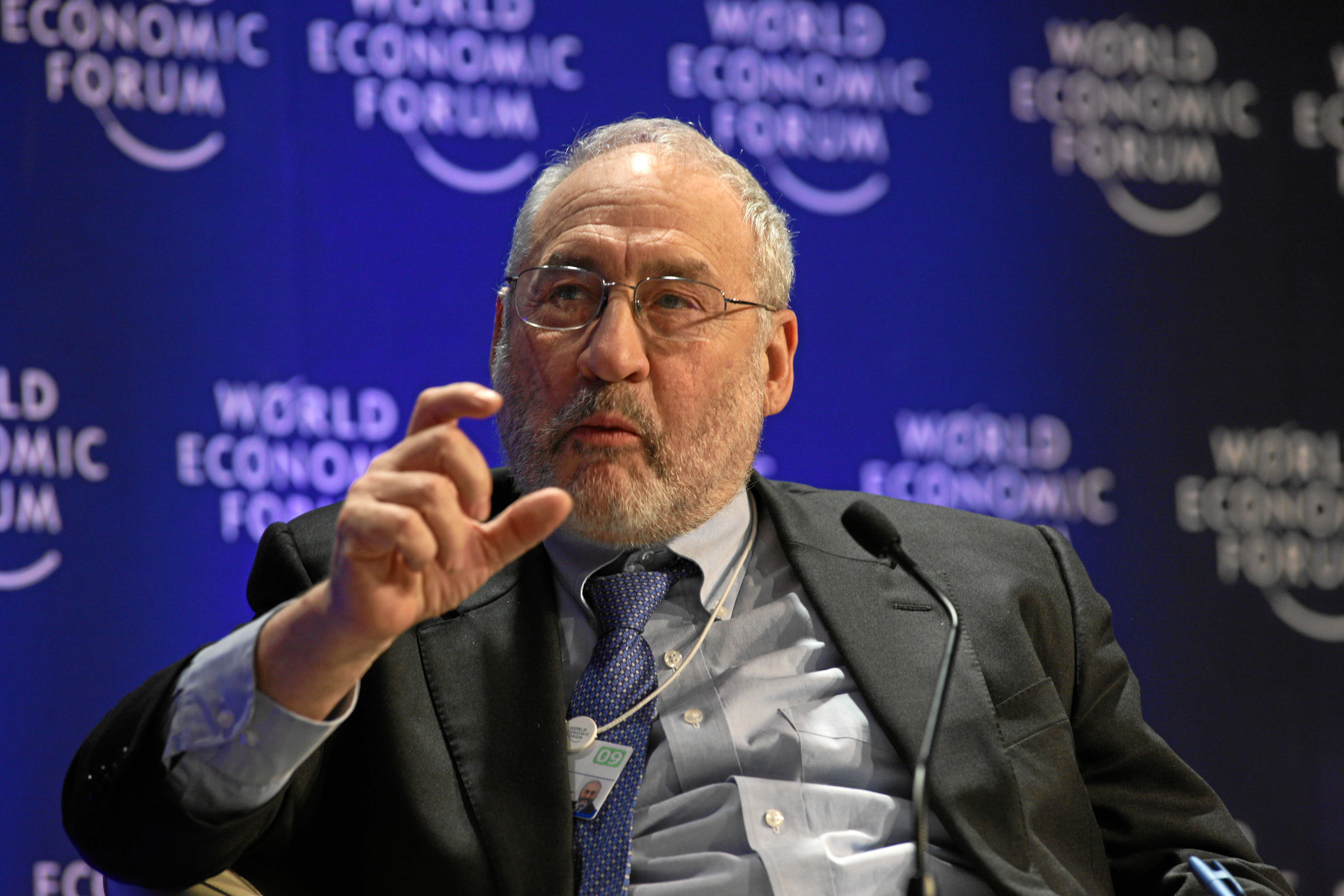
Je vous recommande la lecture du dernier livre de Joseph Stiglitz1, malgré son épaisseur. Il est vraiment utile de revenir, jusqu’à en avoir la nausée, sur les abus de la finance américaine. C’est en reprenant les événements et les chiffres avec recul qu’on comprend l’avidité potentiellement sans limite de ces hommes et leur absence totale […]
-
Pour sauver le climat, une taxe tobin soutenable
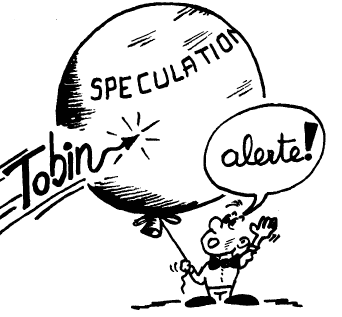
L’une des clefs de la négociation mondiale sur le climat est indiscutablement le financement des pays pauvres par les pays riches pour qu’ils puissent s’adapter au changement climatique et bénéficier de solutions « bas carbone »; aller chercher l’argent nécessaire chez les plus riches (des pays de l’OCDE mais pas que..) est une idée équitable. Aller le chercher dans […]